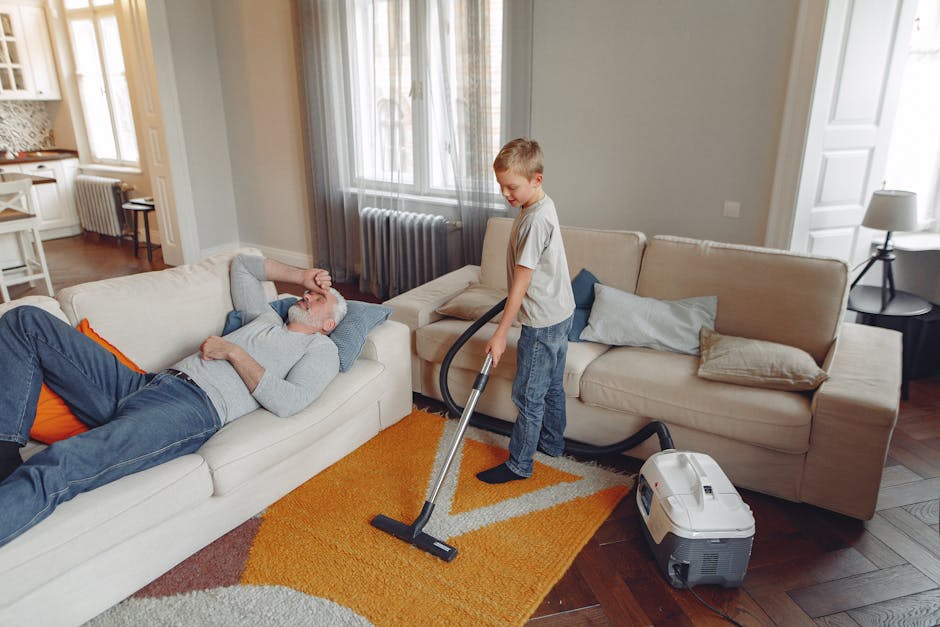
Avoid common carpet cleaning mistakes in Catford homes
If you live in Catford, you already know how quickly a carpet can go from tidy to tired. One muddy afternoon, a knocked-over mug of tea, a pet accident by the sofa, and suddenly the whole room feels less inviting. The tricky part is that many people try to fix these problems fast and end up making them worse. That is exactly why learning how to avoid common carpet cleaning mistakes in Catford homes matters so much.
This guide walks you through the most common errors, what they do to your carpet, and how to clean smarter without causing fibre damage, stains that spread, or that slightly damp smell that lingers far too long. Whether you are dealing with everyday maintenance or a stubborn patch that keeps reappearing, you will find practical advice here that is easy to use and grounded in real domestic cleaning situations.
Why Avoid common carpet cleaning mistakes in Catford homes Matters
Carpets in Catford homes get a lot of everyday wear. You may have hallways that collect grit from the street, living rooms that see constant foot traffic, or bedrooms where dust settles quietly until one sunny morning it becomes obvious in the light. Small cleaning mistakes can do more harm than the original spill. That is the awkward truth.
The big risks are not always dramatic. Sometimes the damage is subtle: colours dull a little, fibres lose their spring, or a stain comes back after drying because the residue was never fully removed. In terraced homes, flats, and family houses alike, this can turn a quick tidy-up into a recurring problem.
It also matters because carpets are not just decorative. They affect indoor comfort, warmth, and air quality. A poorly cleaned carpet can hold onto moisture, detergent residue, and embedded dirt. That can make the room feel less fresh, especially in damp weather or during winter when windows stay closed for longer. To be fair, nobody wants a room that smells clean for ten minutes and then starts to smell "clean-but-wet" by tea time.
If your aim is to protect the carpet you already own, avoid unnecessary spend, and get better results from every clean, starting with the common mistakes is the smart move.
How Avoid common carpet cleaning mistakes in Catford homes Works
Good carpet cleaning is not just about scrubbing harder. It is about removing soil without driving it deeper into the pile, using the right amount of moisture, choosing suitable products, and drying the carpet properly afterwards. The process sounds simple, but small decisions make a big difference.
Most carpet fibres respond best when you approach cleaning in stages:
- First, remove loose dirt and grit.
- Then identify the fibre type and the stain type.
- Use a suitable spot treatment or overall cleaning method.
- Control moisture so the backing does not stay wet for too long.
- Finish with proper drying and light grooming of the pile.
That final part gets overlooked surprisingly often. A carpet can look clean on the surface while still holding moisture below. If that moisture is trapped, you may notice a stale smell, slow drying marks, or in some cases discolouration around the cleaned area. Not ideal, obviously.
For many households, the best results come from a careful mix of routine vacuuming, prompt spot treatment, and occasional deeper cleaning. If you need a more thorough refresh, a dedicated carpet cleaning service may be the better route, especially for high-traffic rooms or older carpets that need a gentler touch.
There is also a difference between surface cleaning and stain removal. A surface clean lifts general soil, while stain treatment focuses on the substance that has bonded to fibres. A coffee mark is not handled the same way as a greasy food spill or a pet accident. Mixing them up is one of the fastest ways to get poor results.
Key Benefits and Practical Advantages
When you avoid the usual carpet-cleaning errors, the benefits are immediate and long-lasting. It is not just about making the room look better for guests on a Saturday afternoon. It is about preserving the carpet itself.
- Longer carpet life: fibres stay softer and less worn when they are not over-scrubbed or over-wet.
- Better stain removal: correct treatment improves the chance of lifting spills before they set.
- Fresher indoor feel: less residue and faster drying reduce musty smells.
- Lower cleaning costs over time: fewer mistakes mean fewer repeat cleans and less replacement pressure.
- Cleaner appearance: the carpet keeps its colour, texture, and overall finish for longer.
There is a practical side too. In a busy home, cleaning mistakes can create extra work. If a stain spreads, you often end up treating a much larger area than before. If the carpet is left too wet, you may have to move furniture, ventilate rooms, and deal with drying issues. That is why a little care at the beginning saves a lot of hassle later.
Expert summary: The best carpet cleaning results usually come from doing less, not more. Less water, less scrubbing, less product, and more patience. Gentle but correct almost always beats aggressive and rushed.
If you are comparing options, it can also be useful to look at related services such as steam carpet cleaning or specialist stain removal, depending on how dirty the carpet is and what caused the mark in the first place.
Who This Is For and When It Makes Sense
This advice is for pretty much anyone in Catford who wants cleaner carpets without accidental damage. That includes homeowners, tenants, landlords, parents, pet owners, and anyone who has ever looked down at a patch on the floor and thought, "Right, I need to sort that before it gets worse."
It makes particular sense if your home has one or more of these situations:
- children who spill food and drinks now and then;
- pets that bring in mud or leave odours behind;
- light-coloured carpets that show every mark;
- older carpets that may already be fragile;
- rented homes where you need to protect the deposit;
- family rooms that take daily foot traffic from shoes, bags, and pushchairs.
It is also relevant if you have tried DIY cleaning before and the result was, well, a bit of a mixed bag. Maybe the stain looked better at first but came back once it dried. Maybe the carpet felt sticky after cleaning. Maybe you used too much fragrance and now the room smells more like chemicals than comfort. All fixable, but it helps to understand what went wrong.
If you are dealing with soft furnishings at the same time, it may also be worth thinking about upholstery cleaning or sofa cleaning, because the same mistakes often happen across all fabric surfaces in one home.
Step-by-Step Guidance
Here is a simple way to approach carpet cleaning in a Catford home without creating extra problems. Nothing fancy. Just the sequence that tends to work best in real homes.
- Vacuum thoroughly first. Dry soil is much easier to remove before it turns into paste with water or cleaner.
- Identify the problem. Is it dust, food, grease, pet mess, or an old stain? Different issues need different handling.
- Test a small area. Even when a product is labelled as suitable, test it in a discreet spot first. A corner behind furniture is ideal.
- Apply the least aggressive method first. Blotting is safer than scrubbing. A mild treatment is safer than a strong one.
- Work from the outside in. This helps stop stains spreading outward, which happens more often than people think.
- Use moisture carefully. The carpet should be damp, not soaked. If you can wring water out of it, it is too wet.
- Extract or blot as much as possible. Residue left behind can attract more dirt later.
- Dry the area well. Open windows if practical, use airflow, and keep foot traffic off until fully dry.
- Brush or groom the fibres. This helps the pile stand up again and reduces flattened marks.
One small but important point: do not keep re-wetting the same patch because it "still looks a bit there." The more you chase a stain with water, the more likely it is to spread into the backing. Sometimes patience does more than product. Annoying, but true.
If you are unsure what the stain is, or if it has already been treated with the wrong cleaner, it may be wiser to stop and reassess. Repeating the wrong step can make removal harder, not easier.
Expert Tips for Better Results
Professional cleaners tend to focus on control. Control of product, control of moisture, control of agitation, and control of drying. That is the real difference between a decent clean and a frustrating one.
Start with dry soil removal
Grit acts a bit like sandpaper when walked into carpet fibres. If you skip vacuuming properly, you are cleaning dirt and pushing some of it around at the same time. A slower vacuum pass can be worth it, especially near entrances and hallways.
Use mild first, stronger second
Begin with a gentle solution or a suitable spot treatment before moving to anything more intensive. Strong chemicals are not automatically better. In fact, they can bleach or distort fibres if used carelessly.
Blot, don't grind
Rubbing feels satisfying for about three seconds. Then the pile mats down, the stain widens, and you realise the carpet has won. Blotting with a clean cloth lifts liquid instead of forcing it deeper.
Think about the fibre type
Wool, synthetic blends, and delicate rugs all behave differently. A product that works on one material may be too harsh for another. If you are dealing with a rug rather than wall-to-wall carpet, a dedicated rug cleaning approach may be more suitable than a general clean.
Watch the drying environment
Cold weather, closed windows, and heavy furniture can slow drying dramatically. Even on a fairly mild day in London, a room with poor airflow can stay damp longer than expected. If possible, improve circulation early rather than waiting until the carpet has already started to smell stale.
And yes, we have all had the moment of thinking, "It looks fine." Then the next morning it looks a bit darker around the edges. That usually means the moisture spread beyond where your eye first focused.
Common Mistakes to Avoid
This is the core of the topic, really. Most carpet problems after DIY cleaning do not come from one huge error. They come from a few smaller ones stacking up.
| Mistake | What usually goes wrong | Better approach |
|---|---|---|
| Scrubbing hard | Pushes the stain deeper and roughs up the fibres | Blot gently and repeat carefully |
| Using too much water | Can leave the backing damp and cause drying issues | Use only enough moisture to treat the area |
| Applying the wrong cleaner | May bleach, dull, or set the stain further | Match the cleaner to the stain and fibre type |
| Ignoring a test patch | Hidden damage appears only after the clean is finished | Always test first in a discreet area |
| Leaving residue behind | Attracts new dirt and makes the carpet feel sticky | Rinse or extract properly where suitable |
| Drying too slowly | Can lead to odour, shading, or reappearing marks | Increase airflow and limit traffic until dry |
Other mistakes show up less dramatically but still matter: using coloured cloths that bleed, overusing fragrances to mask a smell rather than remove it, or waiting too long before treating a fresh spill. Fresh spills are easier. Older spills? They are more stubborn, as if they've had time to settle in and get comfortable.
Pet mess is a separate headache because odour and stain often need to be treated together. If that is your issue, look at pet stain and odour removal rather than treating it like a standard drink spill.
Tools, Resources and Recommendations
You do not need a trolley full of specialist gear to clean a carpet well. In many homes, the basics are enough if you use them properly.
- Vacuum cleaner: ideally one with strong suction and a clean filter.
- White absorbent cloths: safer than coloured towels because they will not transfer dye.
- Soft brush: useful for lifting pile lightly after cleaning.
- Clean lukewarm water: often all you need for fresh spill management.
- Suitable spot cleaner: chosen carefully for the carpet type and stain type.
- Fans or open windows: practical help for faster drying.
If you are comparing methods for a deeper clean, it can help to think about what the carpet needs rather than what sounds most powerful. For instance, a lightly soiled room may respond well to a controlled clean, while a heavily trafficked family space may benefit from a more thorough service such as steam carpet cleaning.
For homes with a broader fabric-cleaning job, you may also want to consider curtain cleaning or mattress cleaning at the same time. It is often more efficient to deal with dust, odours, and allergens across the room in one planned clean rather than piecemeal over several weekends.
If you are outsourcing the job, sensible questions are about method, drying time, product suitability, insurance, and what happens if a stain does not fully lift. The pricing page can help you understand how quotes are framed, and the company's own pricing and quotes information is a useful place to start.
Law, Compliance, Standards, or Best Practice
For domestic carpet cleaning, there is usually no complicated legal checklist for homeowners, but best practice still matters. If you hire a cleaner, it is sensible to look for proper insurance, safe working methods, and clear communication about what can and cannot be guaranteed.
In the UK, good practice around cleaning usually means using products safely, following manufacturer guidance where available, and avoiding unnecessary risk to household members, pets, or furnishings. That sounds obvious, yet it is the bit that gets skipped when people rush. If a product is too strong for a fabric, or if ventilation is poor, the clean may create a different problem from the original stain.
For commercial settings, the bar can be higher because of foot traffic, staff welfare, and business continuity. A home, of course, is more personal, but the same principles apply: safe methods, sensible drying, and careful handling of delicate materials. If you are a landlord or manage shared spaces, you may also want to look at commercial carpet cleaning for more structured maintenance.
You can also review service policies on insurance and safety and the company's health and safety policy if you want added peace of mind before booking any work. That is not overkill. It is just sensible, really.
Options, Methods, or Comparison Table
Different carpet cleaning methods suit different situations. Here is a simple comparison to help you choose the right level of intervention.
| Method | Best for | Pros | Watch out for |
|---|---|---|---|
| Vacuuming and spot cleaning | Regular maintenance and fresh spills | Quick, cheap, easy to repeat | Won't solve deep soil or old stains |
| DIY liquid cleaning | Small isolated patches | Good for immediate response | Risk of over-wetting or residue |
| Steam cleaning | General deep cleaning and traffic lanes | Can refresh fibres well when done properly | Needs careful drying and suitable fibre match |
| Professional stain treatment | Stubborn spots, odours, or delicate fabrics | More targeted and usually safer for tricky marks | Not every stain can be fully removed |
In everyday terms: if the issue is a fresh spill, act quickly and gently. If the issue is a carpet that has looked tired for months, a deeper method may be more sensible. If you are not sure, it is usually better to pause than to keep experimenting with different products in the same area. That is where many people accidentally turn a small problem into a large one.
Case Study or Real-World Example
Picture a typical Catford living room on a weekday evening. There is a light-coloured carpet, a sofa near the bay window, and a cup of tea that gets nudged over just enough to make a broad brown patch on the pile. The first instinct is to grab the nearest towel and rub. Fair enough. Most people would.
But rubbing pushes liquid into the fibres and often creates a wider, paler ring around the original stain. If the cleaner used afterwards is too strong, the carpet can end up with a patch that looks cleaner than the rest of the room in one light and duller in another. A small spill can then become a visible repair job.
A better approach would be to blot immediately, use a small amount of suitable cleaner, work from the outside of the stain inward, extract or blot again, and dry the area with airflow. If the spill had been pet-related rather than tea, a different treatment would be needed because odour control matters as much as appearance. One-size-fits-all is rarely helpful here.
That is why people often get better results when they treat carpet care as a process, not a panic response. Calm beats frantic, almost every time.
Practical Checklist
Use this quick checklist before you clean a carpet in your Catford home:
- Vacuum the area first.
- Identify the stain or soil type.
- Check the carpet material if you know it.
- Test any cleaner in a hidden spot.
- Blot instead of rubbing.
- Use the least amount of moisture needed.
- Avoid mixing cleaning products.
- Rinse or extract residue where appropriate.
- Dry the area fully and fairly quickly.
- Keep furniture off the area until it is dry.
- Call for help if the stain is old, large, or recurring.
If you want the whole job handled with less guesswork, you can also explore the main carpet cleaning page and then decide whether a deeper treatment is needed. Some carpets just need attention. Others need proper restoration. Knowing the difference saves time.
Get a free quote today and see how much you can save.
Conclusion
Avoiding common carpet cleaning mistakes in Catford homes is really about respecting the material under your feet. Vacuum properly. Treat stains gently. Use less water than you think. Dry everything fully. And do not keep attacking a problem with stronger products just because it feels productive.
The homes in Catford are lived in, busy, and full of daily moments that leave a mark now and then. That is normal. The aim is not perfection; it is knowing how to clean without creating avoidable damage. Once you get that part right, carpets stay fresher, softer, and far easier to manage.
If you take one thing from this guide, let it be this: the smartest carpet cleaning is calm, careful, and matched to the problem in front of you. The carpet will thank you for it. Quietly, of course.
Frequently Asked Questions
What is the biggest carpet cleaning mistake homeowners make?
The most common mistake is scrubbing a stain too hard. That often spreads the mark, pushes it deeper into the fibres, and flattens the pile. Blotting is usually the safer first move.
Why does my carpet look worse after cleaning?
This can happen if too much water or detergent was used, or if residue was left behind. Sometimes the stain also reappears as it dries because moisture carried it back to the surface.
Can I use the same cleaner on every carpet?
No, not safely. Different fibres and stains need different handling. Wool, synthetics, rugs, and upholstery fabrics can all react differently, so a one-product-fits-all approach can cause damage.
How do I stop carpet stains from spreading?
Work from the outside of the stain inward, blot instead of rub, and use only a small amount of liquid at a time. Spreading usually happens when a stain is over-wet or pushed around too aggressively.
Is steam cleaning safe for all carpets?
Not always. Steam cleaning can be effective, but the carpet material, backing, and drying conditions matter. Some delicate carpets need a gentler method, so it is worth checking suitability first.
How long should a carpet take to dry after cleaning?
Drying time depends on the method used, room ventilation, weather, and how much moisture was applied. The key is to avoid using the carpet again until it feels fully dry, not just surface dry.
What should I do first after a spill on the carpet?
Blot up as much liquid as possible with a clean white cloth or towel, then treat the stain carefully. Acting quickly usually gives you a better chance of removing it before it sets.
Are pet stains different from food or drink stains?
Yes. Pet stains often involve both visible marking and odour, so they need more than a simple surface clean. In many cases, a more targeted treatment is needed to deal with the smell as well as the stain.
Should I hire a professional if I have already tried DIY cleaning?
If the stain has spread, the carpet has started to smell, or the fibres look damaged, professional help may be the safer option. A specialist can often assess what has already been done and choose a more suitable approach.
How often should carpets be cleaned in a busy Catford home?
It depends on traffic, pets, children, and lifestyle. Busy homes usually need more frequent maintenance vacuuming and periodic deeper cleaning to keep dirt from building up in the fibres.
Can I clean upholstery and carpets at the same time?
Yes, and it can be efficient if both need attention. Sofas, curtains, mattresses, and carpets all collect dust and odours in different ways, so a combined plan can make the home feel fresher overall.
Where can I find more information about service expectations and payment?
Useful details are usually listed on the service pages, along with payment and quote information. For example, the pages for payment and security and pricing and quotes can help set expectations before you book.