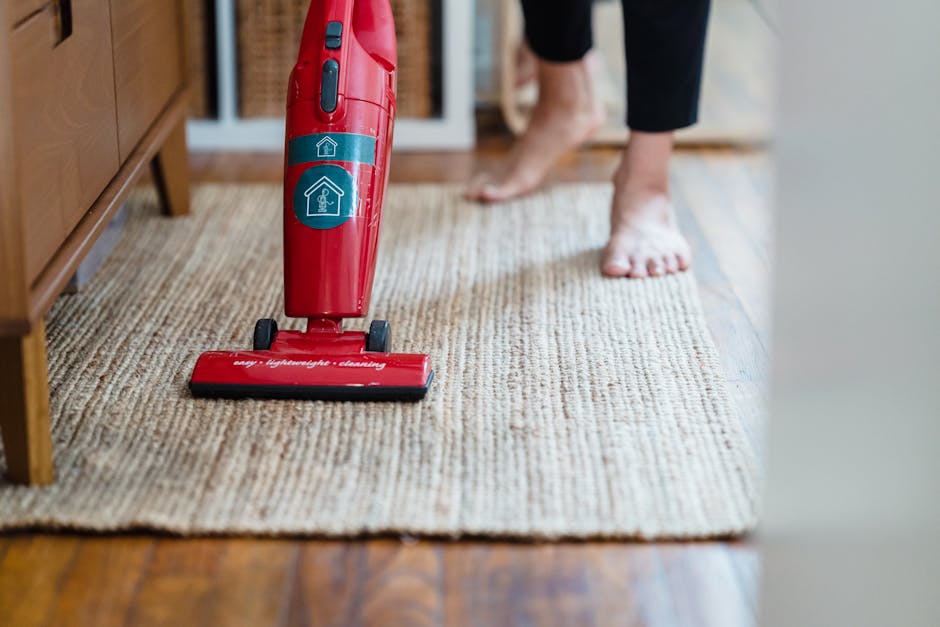
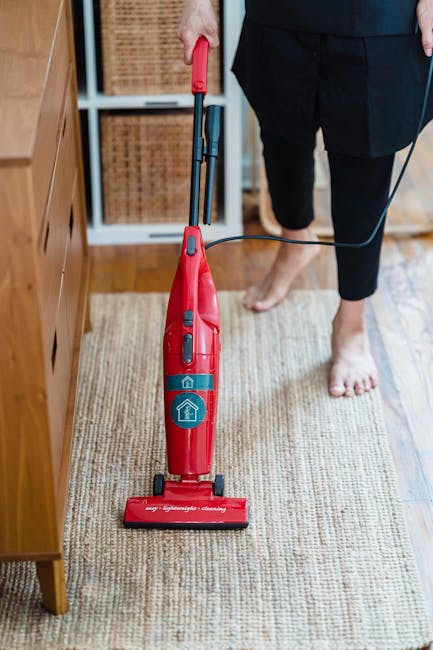
What to know about rug cleaning in SE6 postcode
If you live in SE6, you already know the reality of rugs in a busy London home: muddy shoes after a wet afternoon, pet hair that seems to appear from nowhere, and that one stain that keeps catching your eye every time you walk past. What to know about rug cleaning in SE6 postcode is not just about making a rug look nicer. It is about protecting fibres, removing trapped dirt, keeping colours true, and avoiding the kind of damage that only shows up after the rug has dried.
Whether your rug sits in a family living room, a hallway that gets constant footfall, or a flat where space is limited and everything has to earn its keep, the right cleaning approach matters. This guide covers how rug cleaning works, what to ask before booking, what can go wrong, and how to get better results without overcomplicating it. Nothing fancy. Just the practical stuff that actually helps.
Table of Contents
- Why rug cleaning matters in SE6
- How rug cleaning works
- Key benefits and practical advantages
- Who this is for and when it makes sense
- Step-by-step guidance
- Expert tips for better results
- Common mistakes to avoid
- Tools, resources and recommendations
- Law, compliance, standards, or best practice
- Options, methods, or comparison table
- Case study or real-world example
- Practical checklist
- Conclusion
- Frequently Asked Questions
Why rug cleaning matters in SE6
SE6 includes a mix of older homes, converted flats, busy family spaces, and practical everyday living. That matters because rugs in these settings tend to work hard. They collect grit from pavements, dust from open doors, crumbs under the table, and the occasional spill from tea, wine, or a well-meaning cup of juice. If you leave that build-up in place for too long, it can wear fibres down in a way that is surprisingly unglamorous and a bit annoying, frankly.
Rugs are different from fitted carpet. They are often made with decorative dyes, blends of fibres, hand-tied edges, latex backings, or natural materials that need more careful handling. A rug that looks sturdy may still react badly to excess moisture, the wrong detergent, or aggressive brushing. In other words, the cleaning method should suit the rug, not the other way round.
This is especially relevant if your rug is valuable, sentimental, vintage, or simply something you like enough to keep for a long time. A good clean can revive the pile, lift flattened fibres, and help with odours that linger after pets or cooking. A poor clean, though, can cause colour bleeding, shrinkage, browning, or texture change. No one wants that little surprise on a Tuesday evening.
For households trying to keep on top of broader soft-furnishing care, rug maintenance often sits alongside carpet cleaning, upholstery cleaning, and even curtain cleaning. It all adds up to a cleaner, fresher room overall, and the difference is usually more noticeable than people expect.
How rug cleaning works
Rug cleaning is not one single process. It usually starts with inspection, then the cleaner chooses a method based on the rug's fibre, construction, age, and condition. That first look is more important than many people realise. Is the rug wool, synthetic, viscose, cotton, silk, or a blend? Are the colours stable? Is there pet contamination, a food stain, or just heavy general soiling? The answer changes everything.
A typical professional process often includes:
- Dry soil removal - loose grit and debris are taken out first, because dry soil is abrasive.
- Testing - a discreet test checks how dyes and fibres react to moisture or cleaning solution.
- Pre-treatment - specific spots may be treated before the main clean.
- Main cleaning - this could involve low-moisture cleaning, hot water extraction where suitable, hand washing, or specialist fibre-safe methods.
- Rinsing or extraction - residue is reduced so the rug does not feel sticky or attract dirt again too quickly.
- Drying - controlled drying is essential, especially for natural fibres.
- Final grooming and inspection - pile is reset, edges are checked, and the result is reviewed.
If the rug has a stubborn mark, a dedicated stain removal approach may be needed rather than a broad all-over treatment. That distinction matters. Treating a stain correctly is not the same as washing the entire rug, and mixing the two up can make things worse.
Odour issues are another common layer. Pet accidents, damp, and spills can sink into the backing or underlay, which is why some rugs need more than a surface clean. In those situations, pet stain odour removal may be part of the plan, not an optional extra.
Key benefits and practical advantages
Good rug cleaning is not just about appearance, though yes, the visual lift is a big part of the appeal. There are a few real-world benefits that make it worth doing properly.
- Better indoor freshness - rugs trap dust, cooking smells, and general household odour.
- Improved texture - flattened or matted fibres can often be revived with proper care.
- Longer rug life - removing grit helps reduce fibre wear.
- More comfortable rooms - clean rugs simply feel better underfoot.
- Safer cleaning for delicate materials - the right method lowers the risk of damage.
- Better presentation - this matters at home and in commercial spaces too.
There is also a practical mental benefit, if we are being honest. A clean rug makes a room feel more settled. Less nagging. Less "I should really deal with that." You notice it when you sit down, not just when you walk in.
For people comparing different soft-furnishing services, rugs often sit in the same decision group as sofa cleaning and mattress cleaning. If one item is visibly dirty, the others often are too, even if it is not obvious at first glance.
Who this is for and when it makes sense
Rug cleaning in SE6 makes sense for a lot of people, but not always for the same reason. A family with children may be dealing with snack crumbs, sticky patches, and the occasional mystery mark. A pet owner may want odour control and hair removal. A renter may want to improve the feel of a room before moving out. A homeowner may simply want to preserve a favourite piece that has been there for years.
It also makes sense if:
- your rug has visible traffic lanes or dull patches
- the fibres feel rough or sticky
- there are spots from food, drink, or pet accidents
- the rug smells musty, smoky, or stale
- you have not cleaned it in a long time and it has started to look tired
- you are about to host guests and want the room to feel sharper
There are moments when a rug should be handled with extra caution. Older rugs, natural fibres, handwoven pieces, and anything with unstable dyes need careful assessment. To be fair, this is where people sometimes go wrong by assuming "it's just a rug." Well, sometimes it is not just a rug. Sometimes it is a fragile textile with a bit of history.
If you are planning wider home maintenance, it can be sensible to think in terms of the whole room or even the whole property. Services such as steam carpet cleaning and upholstery cleaning are often considered together because the same dust, allergens, and everyday wear tend to settle everywhere.
Step-by-step guidance
Here is a straightforward way to think about the process, whether you are doing light care yourself or arranging a professional clean.
- Identify the rug type. Check the material, backing, size, and any care label if there is one. If you are unsure, assume it needs a cautious approach.
- Assess the problem. Is it soil build-up, a specific stain, odour, or damage? The answer changes the treatment.
- Vacuum carefully. Use gentle suction first, especially on fringes and delicate edges. No aggressive brushing at this stage.
- Test for colour stability. A small hidden area can tell you a lot. If colour transfers, stop there and rethink.
- Choose the correct cleaning method. Low-moisture, hand-wash, extraction, or targeted treatment may be appropriate depending on the rug.
- Control moisture. Too much water is a common cause of trouble. A damp rug that dries slowly can develop odour or distortion.
- Dry properly. Air movement matters. So does placing the rug flat or as advised, rather than folding it awkwardly.
- Inspect after drying. Check for residue, colour migration, browning, or texture change before you put everything back.
A small but useful tip: take a quick photo before cleaning. It helps you compare the before-and-after result, but it also gives you a reference if a fibre pattern changes during the process. Slightly nerdy, yes. Still useful.
For a deeper professional process, many people start by looking at the company's rug cleaning service details alongside practical booking information such as pricing and quotes. That helps you understand what is included and what questions to ask before anyone arrives with equipment.
Expert tips for better results
Most rug problems are not dramatic disasters. They are usually the result of little things done repeatedly or one small mistake done in a hurry. Here is where a bit of expert judgement makes a real difference.
- Vacuum both sides where possible. Dust and grit often sit underneath, especially on larger rugs.
- Deal with spills quickly, but gently. Blot, do not rub. Rubbing spreads the spill and roughs up the fibres.
- Keep direct heat away. Hairdryers and radiators sound convenient, but they can cause shrinkage or colour change.
- Lift rather than drag. Dragging can strain the backing and fringe.
- Rotate the rug. Even wear helps prevent one area from becoming visibly flattened.
- Match the method to the material. Wool, silk, viscose, and synthetic blends do not all behave the same.
- Ask what happens if a stain does not fully lift. A clear answer is better than an optimistic shrug.
If a cleaner is handling the job, ask whether they check for dye stability and whether they have insurance in place. That is not being difficult. That is sensible. You can also review general trust and safety information through the website's insurance and safety page and the company's health and safety policy, which can be reassuring when work is being done inside your home.
And yes, the right advice often comes down to a simple truth: if the rug is precious, treat it like it is precious. A little caution now beats regret later. Always.
Common mistakes to avoid
Let's face it, most rug cleaning mistakes happen because people are trying to fix a problem quickly. Fair enough. But a rushed fix can make a simple issue more complicated.
- Using too much water. This is probably the big one. Excess moisture can bleed dyes, weaken backing, or leave a lingering smell.
- Scrubbing a stain hard. That usually spreads the mark and damages the pile.
- Using the wrong product. Bleach, strong detergents, and random household sprays can leave permanent marks.
- Ignoring the rug fibre. A synthetic rug may tolerate something a wool or viscose rug will not.
- Skipping the dry soil removal. If grit stays in the rug, you are basically grinding it in.
- Drying too slowly. Damp rugs need airflow. A closed, warm room is not always enough.
- Not testing first. A hidden patch test can prevent a very visible mistake.
One common real-life scenario: someone cleans a rug after a spill, thinks the stain is gone, and then discovers a pale ring the next day. That is often caused by residue or uneven drying rather than the original spill itself. Annoying, yes. Preventable, usually.
If the rug is damaged rather than dirty, or if the issue is part of a broader fabric-care problem, it may be better to pair cleaning with specialist stain removal rather than treating it as a standard wash.
Tools, resources and recommendations
You do not need a workshop full of gadgets to look after a rug properly. A few sensible basics go a long way.
- A vacuum with adjustable suction for routine maintenance
- Soft brush attachments for delicate piles and fringes
- White absorbent cloths for spill blotting
- A mild, rug-safe cleaner where appropriate and after testing
- Fans or good airflow to help drying
- Gloves if you are handling strong cleaning solutions
For professional help, it is worth looking for a provider that is clear about the process, the likely drying time, and any limits on what can safely be cleaned. Transparency is a good sign. If a company is vague about fibre care, that is a bit of a red flag.
It can also help to understand related services if your rug is part of a larger refresh. For example, a room with rugs, sofas, and curtains usually benefits from a joined-up plan rather than separate visits that all sort of overlap. In those cases, sofa cleaning and curtain cleaning may be worth considering alongside the rug itself.
On the practical admin side, you may want to check payment and security and terms and conditions so you know what is covered, how payment works, and what to expect if there is a problem. It is boring, sure, but boring details protect people.
Law, compliance, standards, or best practice
Rug cleaning is not heavily regulated in the way some specialist trades are, but that does not mean standards do not matter. In the UK, the practical expectations are usually around safe working practices, honest descriptions of services, proper handling of customers' property, and appropriate insurance. If a provider is coming into your home, those basics are not optional in spirit, even if they are not the headline of the day.
Best practice usually includes:
- checking the rug material before cleaning
- using appropriate products for the fibre type
- protecting floors and surrounding surfaces
- managing moisture carefully
- explaining any risks before work begins
- being upfront about what cannot be guaranteed, such as permanent stain removal on aged or dyed materials
For domestic customers, this also links to trust. If a cleaner says every stain will vanish, that is not especially realistic. Better to hear a careful explanation about what can be improved, what may remain faintly visible, and how the final result will be assessed. Truth be told, that honesty is more useful than a sales pitch.
If sustainability matters to you, it is reasonable to ask about waste handling and product choice too. You can review a provider's recycling and sustainability approach if you want a sense of how they think about environmental impact in day-to-day operations.
Options, methods, or comparison table
Different rugs need different methods. Here is a simple comparison to help you think through the main options.
| Method | Best for | Strengths | Watch outs |
|---|---|---|---|
| Vacuuming and light maintenance | Routine upkeep, surface dust, high-traffic rugs | Quick, affordable, useful between deeper cleans | Will not remove embedded soil or old stains |
| Low-moisture cleaning | Delicate rugs, quicker drying needs, moderate soiling | Less water exposure, lower risk on some fibres | May not be enough for heavy contamination |
| Hot water extraction | Some synthetic rugs and robust pile constructions | Deep soil removal, strong for general grime | Not suitable for every material; drying time matters |
| Hand washing | Handmade, antique, or sensitive rugs | More control, fibre-aware treatment | Slower, more labour-intensive, needs expertise |
| Targeted stain treatment | Single spots, spills, pet incidents | Useful for localised issues | Does not replace a full clean if the whole rug is dirty |
The "best" method is the one that suits the rug in front of you. Not the fanciest one. Not the cheapest one. The right one. That sounds obvious, but it is where a lot of disappointment starts.
Case study or real-world example
Imagine a rug in an SE6 living room that has been in daily use for a few years. It sits under a coffee table, sees regular foot traffic from the hallway, and has one old tea stain near the edge. The owner has tried spot sprays, a bit of scrubbing, and a lot of hoping. The rug still looks dull, the pile is flattened, and on warmer days there is a faint stale smell.
A careful approach would begin with fibre identification and a test for colour stability. The cleaner would remove dry soil first, then treat the stained area separately before carrying out a full clean using a method suitable for the rug's construction. After drying, the pile would be groomed and the edges checked. In a case like this, the rug might not come back looking brand new, because no one should promise that, but it can look fresher, feel softer, and smell considerably better.
The interesting part is that the difference is often not dramatic in one single moment. It is more like a room slowly breathing out. The rug stops shouting for attention, and the rest of the room looks calmer too. Small thing, big effect.
Practical checklist
Use this quick checklist before booking rug cleaning in SE6 or trying to handle a rug yourself.
- Identify the fibre type if you can
- Check for colourfastness in a hidden area
- Vacuum thoroughly but gently
- Remove any loose debris before wet cleaning
- Decide whether the issue is a stain, odour, or overall soiling
- Ask what cleaning method will be used
- Confirm how drying will be managed
- Ask whether the rug has any special risk factors
- Review pricing, terms, and payment details
- Make sure the room has a sensible space for drying and access
If you are using a professional, ask a few plain questions. What happens if the rug has unstable dye? How long before it is safe to walk on? Is there anything you should do beforehand? Good providers are usually happy to explain. The answers do not need to be theatrical. Just clear.
You can also look at practical service information such as pricing and quotes and the company's contact details if you want to discuss your rug before booking anything. A short conversation can save a lot of guesswork.
Get a free quote today and see how much you can save.
Conclusion
What to know about rug cleaning in SE6 postcode comes down to a few grounded principles: know your rug, use the right method, avoid excess moisture, and do not assume every stain needs the same treatment. The right clean can bring back colour, improve texture, reduce odour, and make a room feel genuinely more cared for. Not perfect, maybe. Better? Absolutely.
If your rug is everyday and sturdy, routine maintenance may be enough for a while. If it is delicate, valuable, or carrying a stubborn stain, a more careful professional approach is usually the safer route. That extra bit of attention tends to pay for itself in peace of mind alone.
And if you are standing in the room looking at the rug right now, wondering whether it is worth sorting out, the answer is probably yes. Fresh fibres, cleaner air, less hassle. It is one of those quiet improvements that makes the whole place feel more like home.
Frequently Asked Questions
How often should a rug be cleaned in SE6?
It depends on use, fibre type, and whether there are pets or children in the home. A high-traffic rug may need deeper cleaning more often than a decorative piece that only sees light use. Regular vacuuming is the baseline either way.
Can all rugs be steam cleaned?
No, not all rugs suit steam or hot water extraction. Delicate fibres, unstable dyes, antique rugs, and some natural materials can be damaged by too much moisture or heat. A proper inspection should come first.
What is the safest way to clean a wool rug?
Wool usually needs a cautious, fibre-appropriate method with careful moisture control. Gentle testing, controlled cleaning, and thorough drying are the big priorities. Heavy scrubbing is a bad idea.
Why does my rug smell after cleaning?
That can happen if the rug was left too damp, if residue remains in the fibres, or if odour has soaked into the backing. It is one reason drying and extraction matter so much.
Can pet stains be removed completely?
Sometimes, but not always. Fresh stains are easier than old ones, and odour can be more stubborn than the visible mark. Pet-related problems often need targeted treatment rather than a standard wash.
Is professional rug cleaning worth it for a small rug?
It can be, especially if the rug is valuable, delicate, or heavily stained. Even a small rug can be surprisingly tricky if the fibres are sensitive or the stain is set in.
How long does a rug take to dry?
Drying time varies by method, fibre, room conditions, and rug thickness. A low-moisture clean usually dries faster than a wetter process, but airflow and environment make a big difference.
What should I do before a rug cleaner arrives?
Move lightweight furniture if you can, vacuum loose debris, note any stains or damage, and make sure the cleaner knows about pets, colour changes, or previous spot treatments. A little preparation helps a lot.
Will cleaning remove all stains?
Not necessarily. Some stains permanently alter fibres or dyes, especially if they have been there a while. A good cleaner should explain what is realistic rather than promising miracles.
Are rug cleaning products safe for homes with children or pets?
They can be, if appropriate products are used and the rug is rinsed or extracted properly. It is sensible to ask what is being used and how long the rug should dry before normal use resumes.
What is the difference between rug cleaning and carpet cleaning?
Rugs are movable, often more decorative, and frequently made from materials that need more individual assessment. Fitted carpet is usually cleaned in place. The methods can overlap, but the handling is not the same.
How do I know if my rug needs specialist treatment?
If the rug is antique, handmade, silk, viscose, heavily soiled, or has dye instability, specialist care is usually the safer option. When in doubt, ask for an inspection before any cleaning begins.
For readers who want to explore the wider service range, the website's about us page is a useful place to understand the business background, while complaints procedure can be helpful if you want to know how issues are handled. Small details, but they matter when you are letting someone work in your home.
And if you are still weighing it up, that is normal. Rugs are personal. They carry daily life in them. Treat them well, and they quietly keep on doing their job.